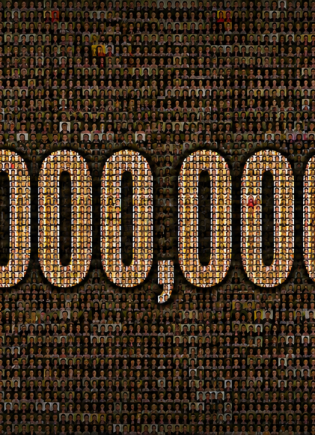
Published alongside the latest ONS figures, it highlights the clear reality that over 1 million young people in the UK are now not in education, employment or training (NEET), the highest level in over a decade. The report sets out the scale and complexity of this issue, and the need to support more young people to move successfully into work.
At Working Options, this is something we see first-hand. Through our programmes, we work directly with young people as they navigate the transition from education into employment. In doing so, we see both their ambition and the barriers that can make that first step harder to take.
The issue is not a lack of ambition. It is that, for many, the first step into work has become harder to see, understand and access.
What we see in practice
Young people consistently tell us they want to work, learn and build a future.
However, many are navigating a landscape where opportunities to gain early experience are limited, expectations of experience are shifting (at a time when those vital part-time jobs during school are harder to secure), and the workplace itself can feel unfamiliar or difficult to access.
This can make the transition from education into employment less clear and more uncertain.
Our contribution to the recent Inside the Mind of a NEET research, which informed the wider evidence base considered in the Milburn Review, highlighted the importance of early exposure, understanding and confidence in helping young people take that first step.
Why the first step matters
The move from education into work has always depended on that first step – the first insight, the first interaction, the first opportunity.
As the interim Young People and Work review highlights, that starting point is becoming more difficult for some young people to reach. When that step is delayed, it becomes harder to build confidence, gain experience and feel ready to enter the workplace, and over time that distance from work can grow.
What works is making work real, relatable and reachable, and this is exactly the gap our work is designed to address, we focus on making the workplace real, relatable and reachable.
– Real – showing what jobs actually involve day to day and the skills needed for them,
– Relatable – connecting young people with people and stories they recognise and understand,
– Reachable – opening up early opportunities and pathways that feel achievable.
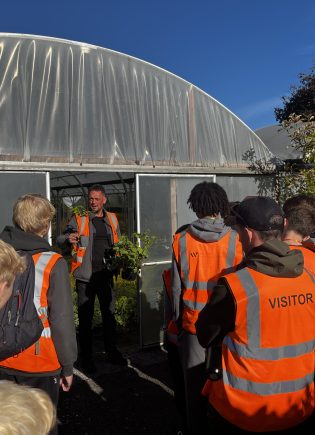
Through our programmes, we help young people to see, experience and engage with work in a way that builds both understanding and confidence.
This approach is valued by the educators we work with (100% would recommend our programmes), reflecting the difference that early insight, confidence and connection can make.
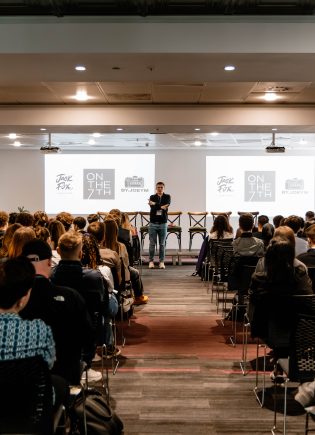
In 2025, we reached 90,000 young people, delivering more than 700 sessions in schools and workplaces, demonstrating both the scale of need and the potential to make a meaningful impact.
When these elements come together, something shifts. Young people gain confidence, understand their options and feel able to take action.
Why this matters now
The scale of the challenge is clear, and it is growing. Around 1 in 8 young people are currently not in education, employment or training, and projections suggest this could rise to 1 in 6 within the next five years.
This makes the transition from education into work more complex for a growing number of young people.
Through our work, we see that when young people are given the right insight, access and encouragement, they become more confident, more engaged and better able to move towards education, training and employment.
Our model is expanding to meet this need. Through our regional accelerator approach, we are building deeper, place-based support and strengthening local partnerships, while our digital content is extending our reach further and engaging millions of young people.
The opportunity is clear: reaching more young people earlier, with the right support, is key to helping them take that first step into work.
Looking ahead
If the first step into work is becoming harder to access, then scaling the support that helps young people take that step becomes increasingly important.
This is the role Working Options plays, helping young people understand the world of work, connect with it and see a pathway into it.
Reaching more young people earlier, and connecting them with employers and opportunities, is how we can help more young people take that first step.
We cannot do that alone.
If you are an employer, organisation or individual who wants to play a role in supporting young people into work, we would welcome the opportunity to work together.
Wales = Contact our Strategic Head of Wales, Rachel Morgan. England = Contact our Senior Partnerships Manager, Jamie Kemp.